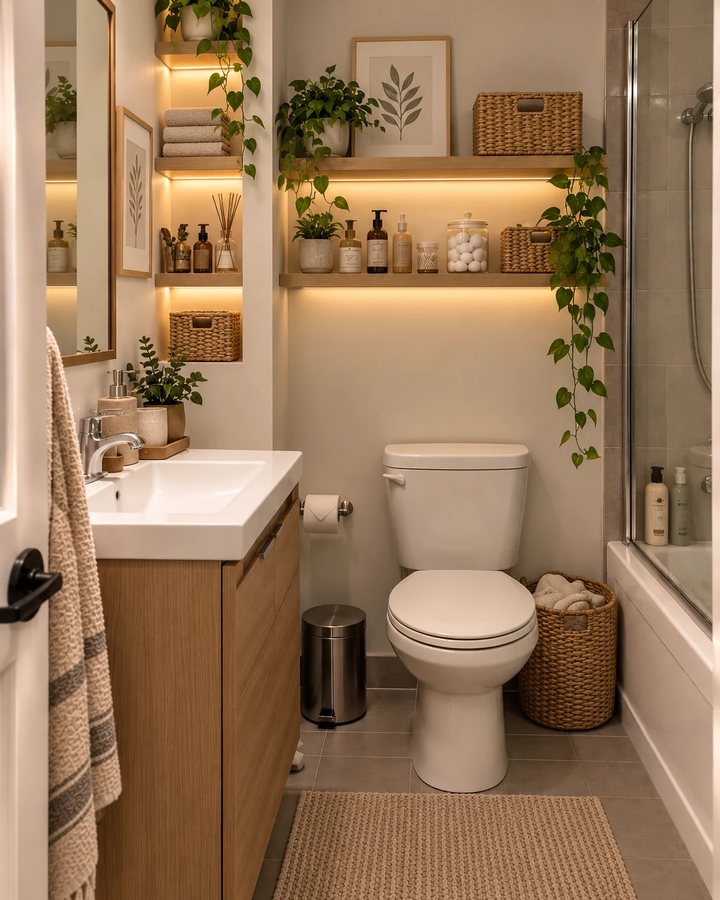
Small Bathroom Storage Ideas for Apartments
Turn a crowded small bathroom into an organized space with oak wall shelves, woven baskets and practical vanity storage.
View project
A place for everyday things
Find smart home organization ideas for every room in your house. From pantry organization and closet storage to mudroom solutions and decluttering tips, discover practical ways to create a more organized, functional, and stress-free home.
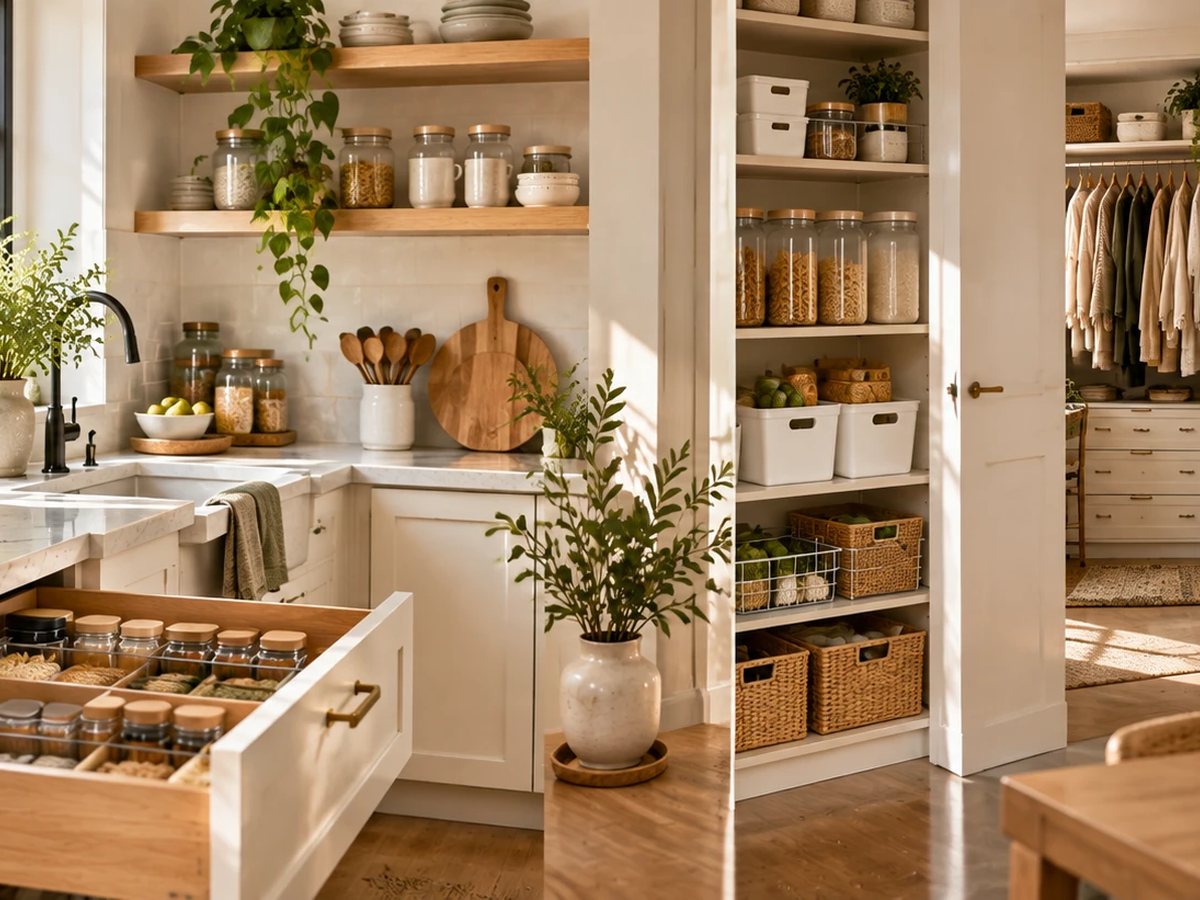
Choose a starting point
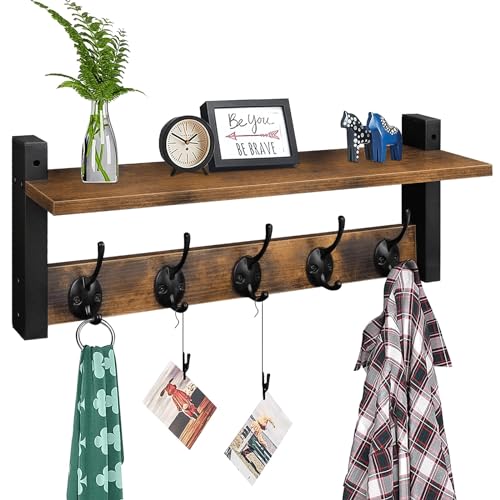 Entryways
Make arrivals, shoes, bags, and coats easier.
Explore ClosetsUse shelves, rails, and containers well.
Explore Kitchen storageCreate a calmer cooking and pantry workflow.
Explore Laundry & utility
Control supplies and repetitive chores.
Explore Whole-home systems
Build routines that work across rooms.
ExploreStart with your problem
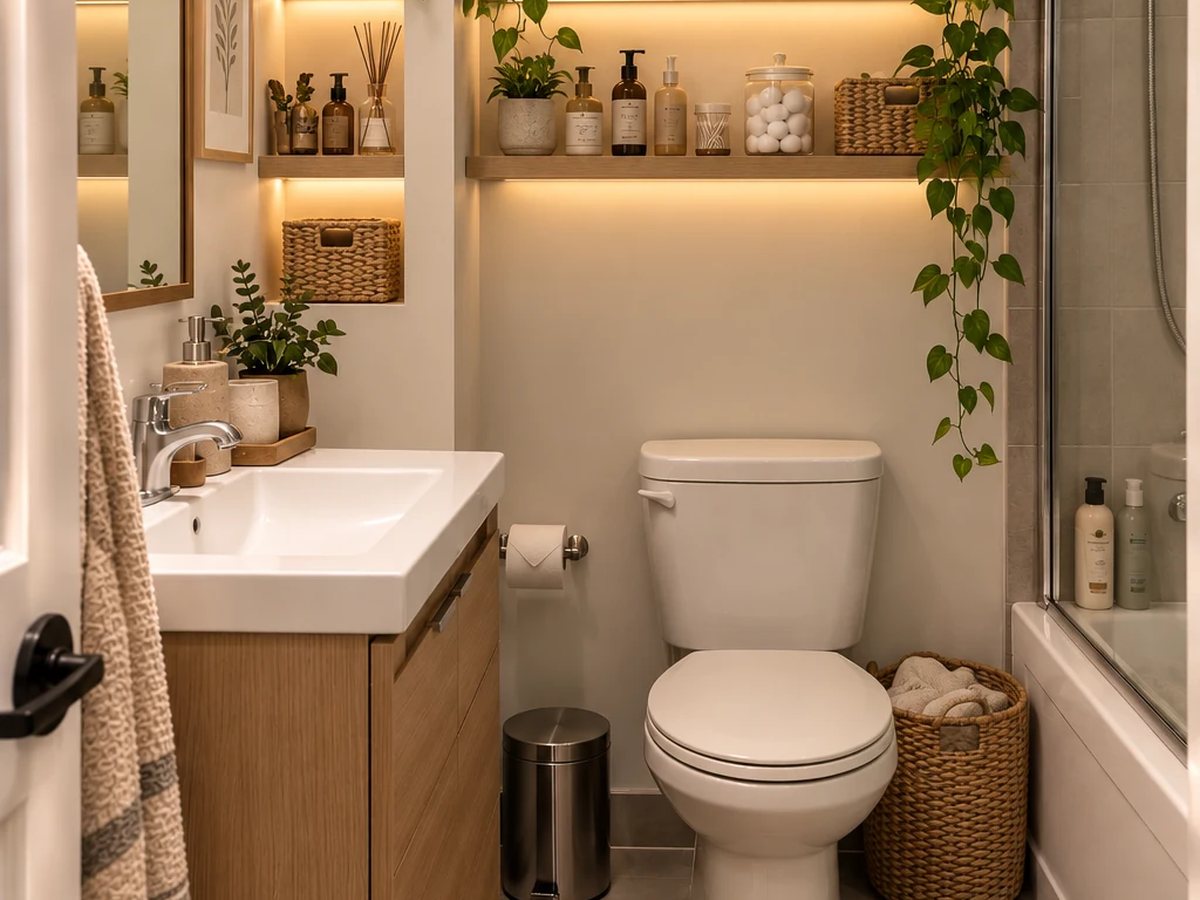
Featured solution
Turn a crowded small bathroom into an organized space with oak wall shelves, woven baskets and practical vanity storage.
Build this setupSystems you can recreate
Turn a crowded small bathroom into an organized space with oak wall shelves, woven baskets and practical vanity storage.
View project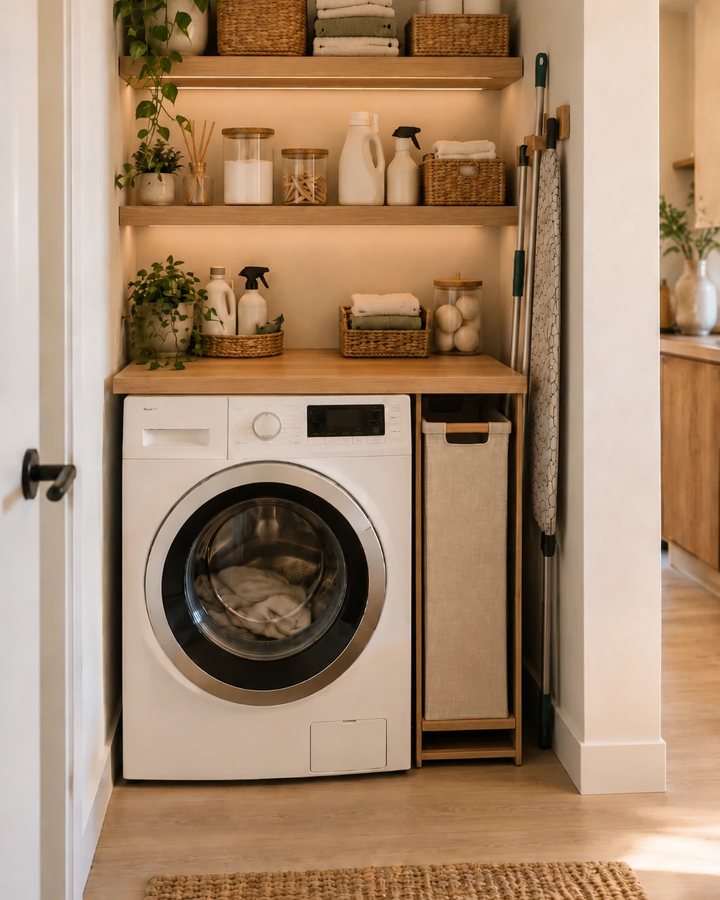
Turn an underused washer nook into a warm, organized laundry station with shelves, narrow sorting storage and carefully planned worksp…
View project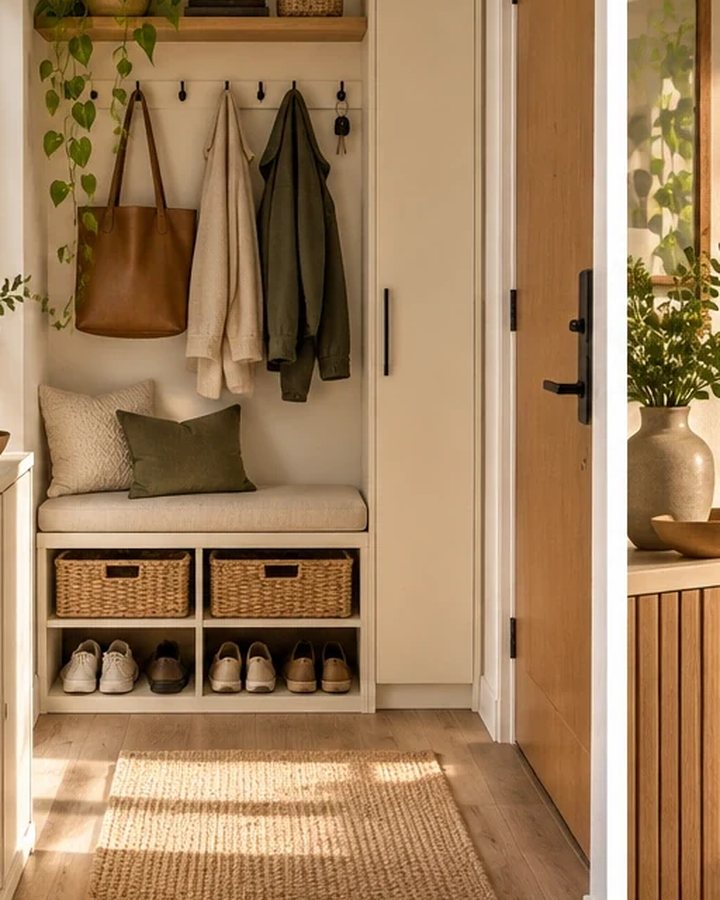
Turn a cluttered, narrow apartment entryway into an organized place for shoes, coats and daily essentials.
View project
A compact wash-day system that keeps supplies visible but contained.
View projectA visible, maintainable pantry organized around everyday cooking.
View projectA clear landing zone for the things that enter and leave with you.
View projectLearn and build
Aug 03, 2026
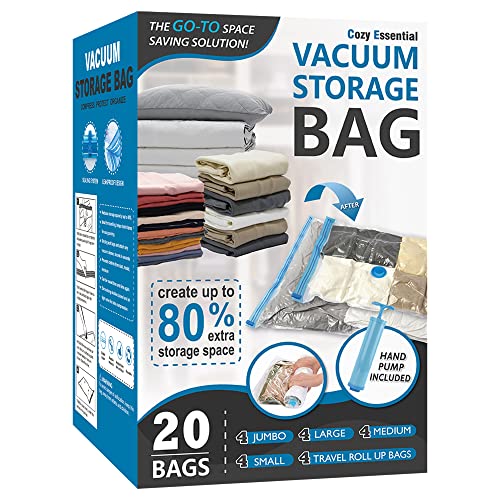
Free up prime closet space by rotating the current season forward and moving clean, dry off-season clothing into simple secondary storage that i…
Read the guide
Aug 03, 2026
Move detergent, stain products, and refills out of sight without making laundry harder. The best system hides visual clutter while keeping the a…
Read the guideAug 03, 2026
Build the room around the full laundry cycle—collect, sort, wash, dry, fold, and return—so dirty clothes and clean loads stop competing for the …
Read the guide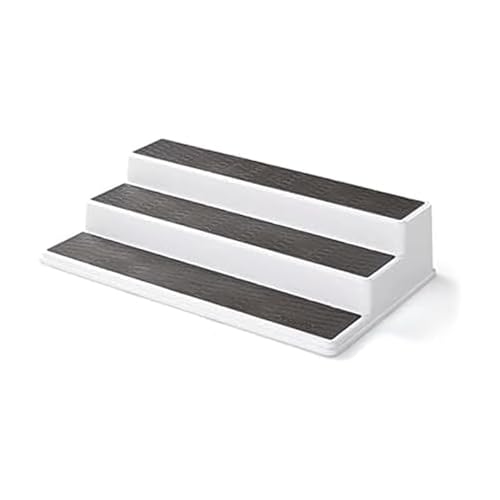
Aug 03, 2026
Keep every spice visible and easy to reach by creating one dedicated zone and choosing storage that matches your shelf depth, jar size, and cook…
Read the guideAug 03, 2026
A small entryway rarely fails because it needs more baskets. It usually fails because too many categories are stored there, the walking path is …
Read the guide
Aug 03, 2026
Give wet boots, bulky coats, hats, gloves, and winter bags separate zones so the entrance stays usable even when everyone comes home carrying mo…
Read the guide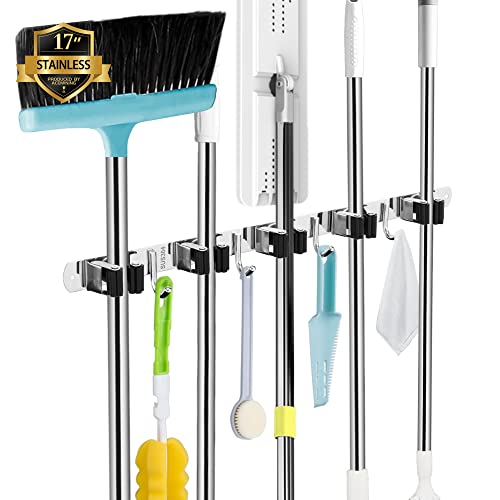
Aug 03, 2026
Get long-handled cleaning tools off the floor by creating one vertical storage zone in a closet, laundry area, pantry, or other dry utility spac…
Read the guide
Aug 03, 2026
Open storage makes frequently used items easy to reach. Closed storage hides visual clutter. In a small apartment, the best answer is usually a …
Read the guideAug 03, 2026
Keep the current season easy to reach and move everything else into compact secondary storage. In a small apartment, seasonal storage works best…
Read the guide
Aug 03, 2026
Use the space under furniture, inside dual-purpose pieces, and behind closed doors before adding more visible shelving. Hidden storage works bes…
Read the guide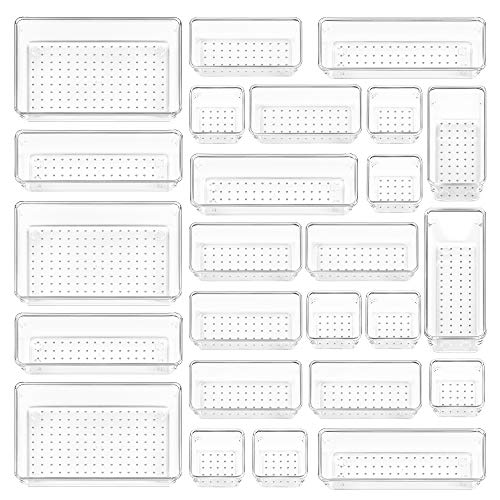
Aug 03, 2026
Make the everyday routine faster by separating daily makeup, brushes, palettes, backups, and special-occasion products instead of storing the en…
Read the guide
Aug 03, 2026
Keep shampoo, soap, razors, and hair products off the shower floor by using one compact vertical storage system and limiting the wet zone to the…
Read the guide
Aug 03, 2026
Keep the sink area open by limiting the visible routine, moving backups into closed storage, and giving daily products one small, easy-to-reset …
Read the guide
Aug 03, 2026
Keep the hair dryer, straightener, curling tools, brushes, attachments, and cords easy to reach without turning the vanity into a tangled hot-to…
Read the guide
Aug 03, 2026
Keep the flavors you use most easy to reach without turning your coffee station into a bottle display. The simplest system is a small active lin…
Read the guide
Aug 03, 2026
Stop reusable bottles from rolling through cabinets and losing their lids by giving the collection one dedicated zone, a practical quantity limi…
Read the guide
Aug 03, 2026
Keep the counter open for cooking by protecting one real prep zone, limiting what earns permanent counter space, and moving everything else into…
Read the guide
Aug 03, 2026
Open one cabinet or drawer and find the right container and matching lid immediately—without lifting three unstable stacks first.
Read the guideJul 28, 2026
This guide is part of the Complete Home Organization Guide. Use the parent guide to move between room-specific organization systems.
Read the guide
Jul 28, 2026
Use under-bed storage for lightweight secondary items that fit the measured clearance and can be removed without lifting or moving the bed. Keep…
Read the guide