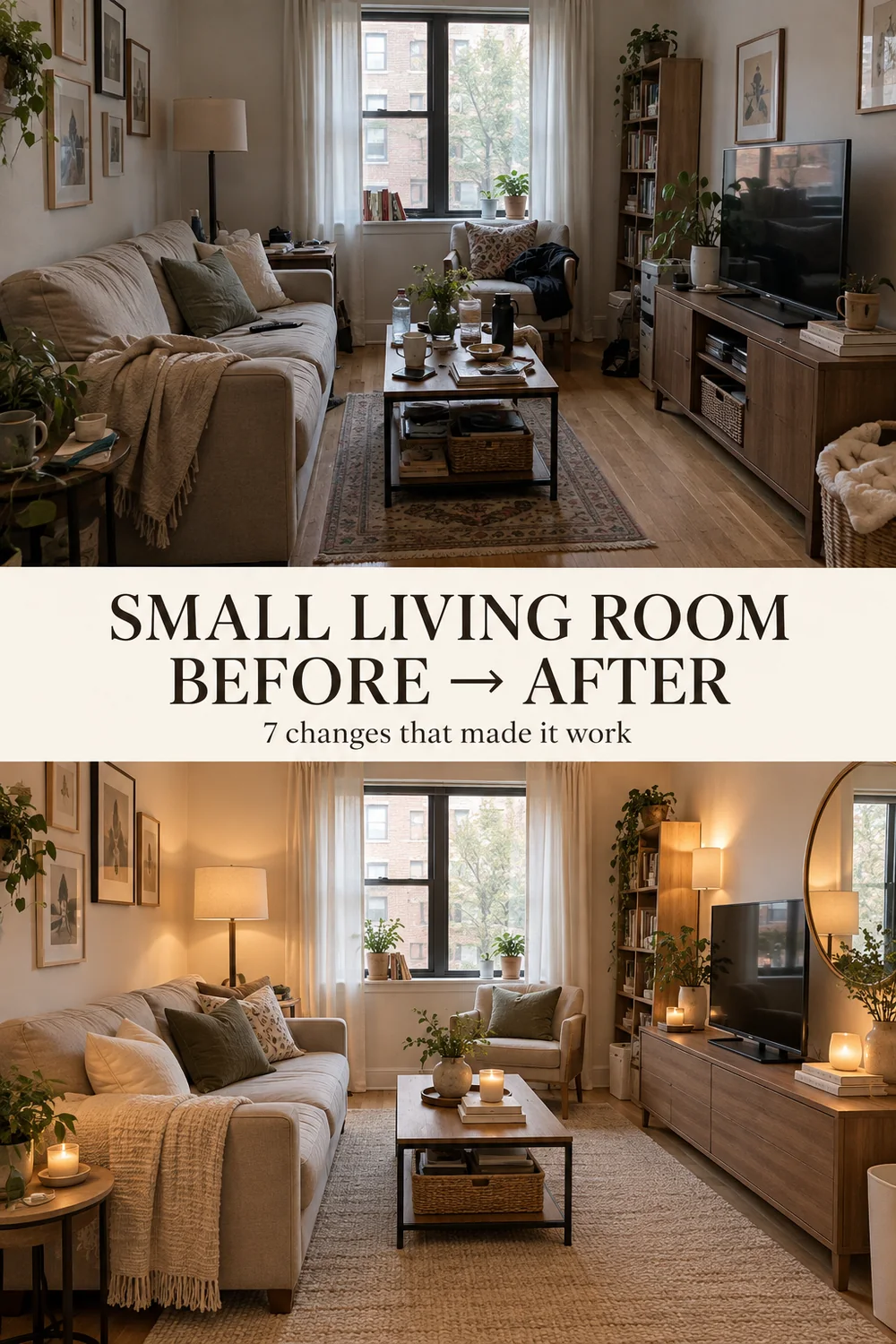


Home and Garden Inspiration for Real Life
Inplanty shares practical ideas for indoor plants, small spaces, backyard projects, home organization, and before-and-after transformations.
Closet Organization Guide for Every Storage Problem
A functional closet needs realistic wardrobe limits, clear hanging and folded-clothing zones, defined shoe and accessory storage, accessible daily items, and a simple laundry-return routine. Start by identifying whether the main problem is limited capacity, a walk-in or reach-in layout, footwear, missing shelves, or poor storage heights, then use this guide to find the correct complete solution.
How to Organize Shoes in a Closet So Every Pair Stays Visible
Organize shoes in a closet by reducing the collection to realistic capacity, keeping current-season daily pairs in one visible zone, and moving occasional or off-season footwear to secondary storage. Choose a low rack, vertical tower, adjustable shelf, cubby, or clear box system according to shoe type and closet layout, and keep the floor clear enough for clothing access and cleaning.
How to Organize a Reach-In Closet So Everything Stays Visible
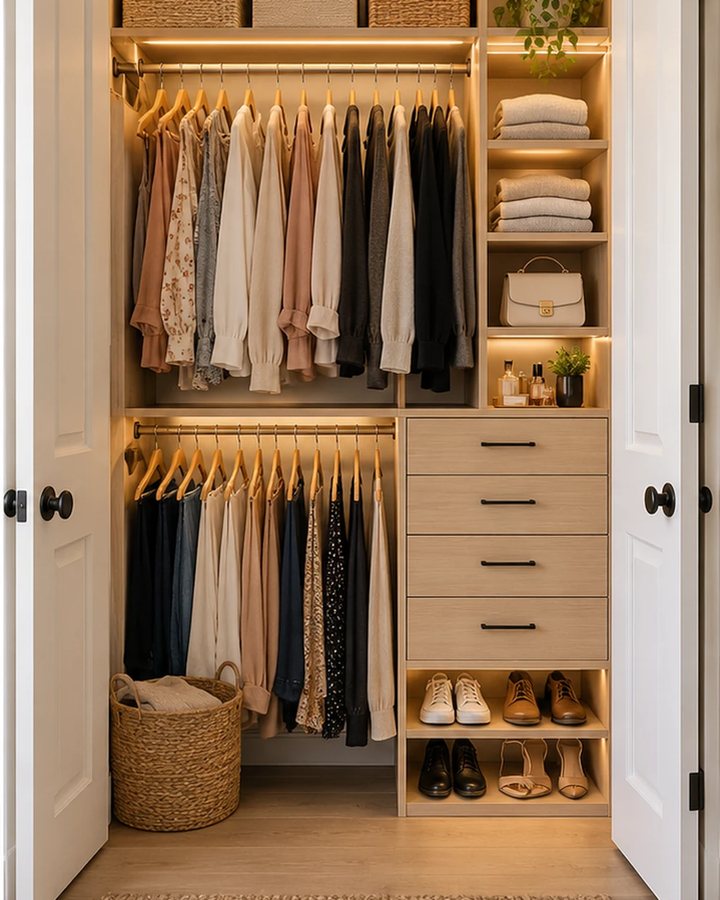
Organize a reach-in closet by planning from the doorway inward. Measure the opening, separate long and short hanging sections, keep daily clothing within the visible center, and assign harder-to-reach side areas to lightweight or less frequently used categories. Add shelves, drawers, shoe storage, or a second rod only when each remains accessible through the closet doors.
How to Organize a Walk-In Closet by Zone
Organize a walk-in closet by reducing the wardrobe to realistic capacity, measuring every wall and walkway, and assigning each section a clear function. Keep frequently worn clothes near the entrance and at eye level, separate long and short hanging sections, use shelves and drawers for folded categories, and preserve enough open floor space to dress, turn, and return clothing easily.
How to Organize a Small Closet So Everything Fits
Organize a small closet by removing clothing and accessories you no longer use, separating daily and seasonal items, and assigning each area a clear function. Use the easiest hanging and shelf space for frequently worn clothes, add a second rod or adjustable storage only when it matches your wardrobe, and keep shoes, accessories, and occasional items within strict capacity limits.
Pantry Organization Guide for Every Storage Problem
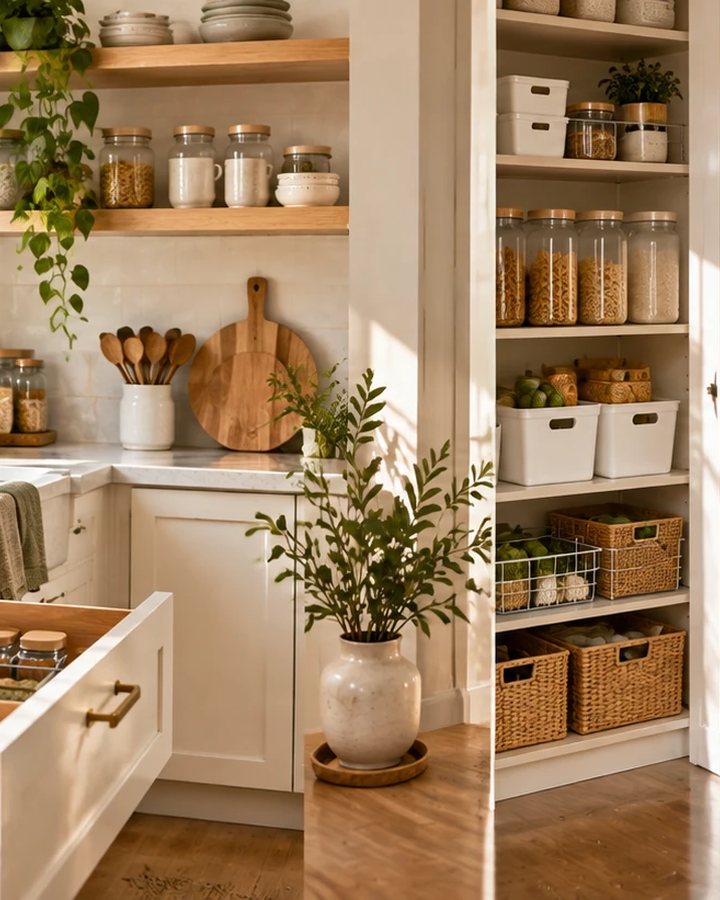
An organized pantry needs realistic inventory limits, clear food zones, accessible shelves, visible active products, controlled backstock, and an easy grocery-unloading routine. Start by identifying whether the main problem is limited space, deep shelves, missing shelving, unclear categories, or maintenance, then use this guide to find the right complete solution.
Pantry Shelf Spacing Guide for Every Food Category
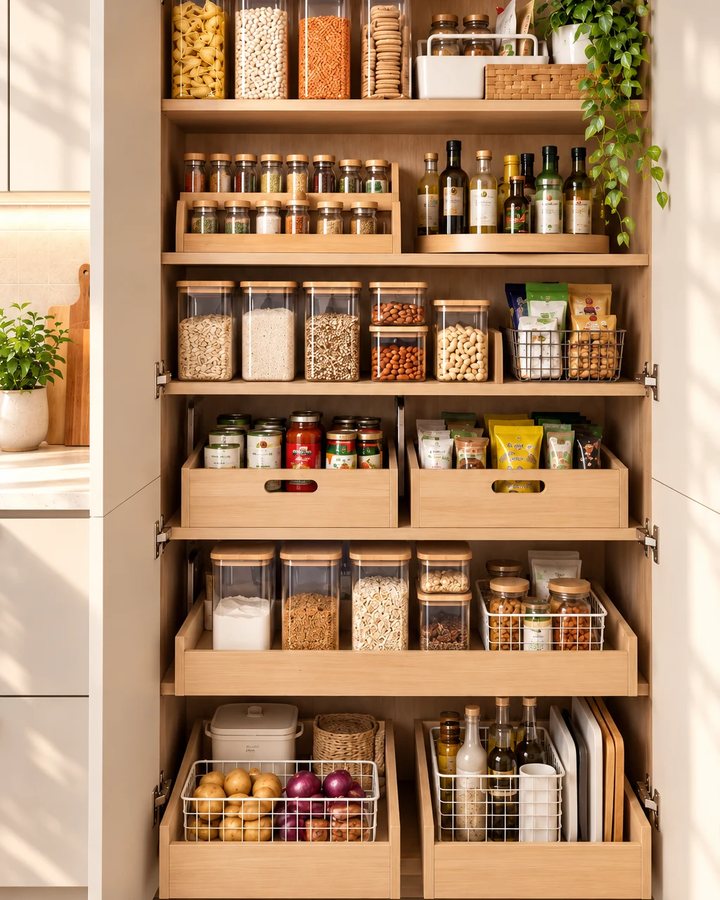
Pantry shelves should not all be spaced equally. Measure the tallest item in each planned category, add enough clearance to grip and remove it comfortably, and create a mix of shorter shelves for cans and jars, medium shelves for boxes and containers, and taller openings for bottles, appliances, and bulk food. Adjustable shelves are usually the most flexible option.
How to Organize Baking Supplies Without Losing Ingredients
Organize baking supplies by gathering every ingredient and tool, removing expired or duplicate products, and creating one primary baking zone. Keep frequently used flour, sugar, leavening, and extracts accessible, store heavy ingredients at a safe height, and move seasonal decorations and specialty supplies into a secondary labeled section.
How to Organize Snacks So They Stay Visible and Contained
Organize snacks by gathering the complete inventory, removing expired and unwanted items, and creating one defined snack zone. Keep active snacks visible and easy to reach, store unopened multipacks separately as backstock, and divide categories only when the household’s lunch, school, dietary, or child-access routines require it.
How to Create Pantry Zones That Match Your Household
Create pantry zones by grouping food according to how your household uses it, then assigning the most frequently used categories to the easiest shelves. Keep active food separate from backstock, use broad zones such as breakfast, snacks, meal staples, baking, and beverages, and give every zone a clear capacity boundary so groceries can be returned quickly.