
A Daily Home Reset Routine That Keeps Clutter Under Control
Restore the home’s main functional areas each day without turning every evening into a full cleaning, decluttering, or reorganization project.
The Finished Result
The home is not perfect. It is ready. The sink is usable, the main counter is clear, shoes and bags are back in place, active laundry has moved forward, essential surfaces work again, and tomorrow’s most important items are easy to find.
- High-use rooms are functional
- Relocation baskets are empty
- Walkways and entry points are clear
- Active laundry is contained
- Tomorrow’s essentials are prepared
Quick Answer
A daily home reset is a short routine that returns frequently used rooms and belongings to a functional starting point. Focus on removing trash, returning misplaced items, clearing main surfaces, resetting the kitchen and entryway, moving active laundry forward, and preparing essential items for the next day.
A reset works best when the home already has basic storage systems. When items repeatedly have nowhere to go, use the whole-home organization method to fix the underlying structure.
What Is a Daily Home Reset?
| Activity | Main purpose |
|---|---|
| Resetting | Return the home to its functional baseline |
| Tidying | Improve visible order |
| Cleaning | Remove dirt, dust, grease, and residue |
| Decluttering | Reduce possessions |
| Organizing | Assign categories and permanent storage |
A reset may overlap with tidying and light cleaning, but it should not become a full-house cleaning schedule, deep decluttering session, cabinet reorganization project, or decorative styling routine.
What Should Be Included in a Daily Reset?
Prioritize the zones that affect tomorrow morning, essential tasks, safety, circulation, and the areas several household members use.
Always consider
Trash, misplaced items, entryway, kitchen, main living area, and active laundry.
Add when relevant
Bathroom surfaces, children’s items, school or work supplies, charging stations, and pet zones.
Leave for weekly
Paper review, restocking, expired-food checks, donation removal, and overfilled storage adjustments.
The Recommended Daily Home Reset Order
Remove active trash and recycling
Clear wrappers, packaging, junk mail, and obvious waste from high-use zones.
Collect misplaced items
Use one relocation basket and do not organize destination rooms yet.
Reset the entryway
Put away shoes, coats, bags, keys, papers, pet supplies, and seasonal overflow. Use the entryway organization guide when the space repeatedly fails.
Restore the kitchen
Prioritize food safety, a usable sink, a clear preparation surface, and the dishes needed next. Continue with the kitchen organization guide for recurring problems.
Reset the main living area
Return remotes, blankets, books, toys, hobby items, devices, and dishes. Restore seating and walkways.
Move laundry forward
Move active laundry one stage: hamper, drying, clean basket, folded return, or repair review. See the laundry room organization guide.
Clear bathroom surfaces
Return daily products, hang towels, remove trash, and store fully cooled hair tools safely.
Reset family and children’s items
Return toys to broad categories, prepare backpacks, contain activity gear, and return devices to charging zones. Use the family organization guide.
Empty the relocation basket
Deliver items to assigned homes without beginning deeper organization work.
Prepare essential items for tomorrow
Reset keys, bags, breakfast items, water bottles, urgent papers, activity gear, and essential devices.
A Faster Reset for Busy or Low-Energy Days
Minimum viable reset
- Remove obvious trash.
- Clear essential walkways.
- Reset the kitchen sink and main counter.
- Put away shoes, coats, and bags.
- Move dirty laundry into hampers.
- Prepare essential items for tomorrow.
This is not a failed routine. It is a valid maintenance level for days with limited capacity. Readers who need a smaller starting method should use the overwhelmed organization guide.
How Long Should a Daily Reset Take?
Routine length depends on household size, children, home size, how many people participate, kitchen condition, laundry flow, and whether items already have permanent homes.
Essential reset
Safety, kitchen function, entryway, active laundry, and tomorrow’s essentials.
Standard reset
Add relocation, living room, bathroom surfaces, and family items.
Longer recovery reset
Use after travel, illness, events, or disrupted routines without turning it into a weekly reset.
If it always takes too long
Look for excess inventory, missing storage, overfilled categories, unclear responsibility, or weekly tasks being included every day.
Morning or Evening Reset: Which Is Better?
Evening
Best when smoother mornings matter, the kitchen must be ready, and work or school items can be prepared in advance.
Morning
Best when evenings are unpredictable, the household clears after breakfast, or the home is quieter early.
Split reset
Best when several people share tasks or the full routine feels too long at once.
Best schedule
Choose the time that consistently prepares the home for its next period of heavy use.
Adapt the Reset to Your Household
Family reset
Each person handles personal belongings, children return toys and school items, and adults handle unsafe categories. Define completion instead of assigning vague goals.
Small apartment
Prioritize main surfaces, walkways, entryway, multipurpose furniture, kitchen counters, and portable work or hobby supplies. Use the small-space storage guide.
One-person household
Use a fixed route and stop when the next day’s functions are restored rather than trying to touch every room.
Shared household
Assign ownership by zone and make temporary drop points visible so the routine does not depend on one person.
What Belongs in the Weekly Reset Instead?
- Reviewing mail and paperwork
- Emptying donation areas
- Restocking household supplies
- Reviewing expired food
- Returning seasonal items
- Cleaning neglected surfaces
- Resetting overfilled storage
- Addressing categories without permanent homes
Use the weekly home reset checklist for these deeper maintenance tasks.
What to Do When the Same Clutter Returns Every Day
- Observe where the item is naturally left.
- Identify who uses it.
- Check whether storage is accessible.
- Reduce the category if it is overfilled.
- Move storage closer where practical.
- Simplify the return process.
- Test the change for one week.
Repeated clutter is information
The item may have no home, the storage may be too far away, or the return process may require too many steps.
Copy This Setup
For low-energy days
- One relocation crate
- Kitchen sink and counter
- Entryway basics
- Dirty laundry into hampers
- Tomorrow’s essentials
For most households
- Trash and relocation first
- Entryway and kitchen
- Main living area
- Laundry forward one stage
- Bathroom and family items
Shared ownership
- Children return toys and school items
- Adults manage kitchen and unsafe categories
- One person empties relocation basket
- Each person resets personal belongings
- Tasks stay visible
Restore multipurpose zones
- Clear walkways
- Reset kitchen counter
- Contain work or hobby supplies
- Return charging devices
- Empty temporary baskets
Common Daily Reset Mistakes
Review more home organization mistakes to avoid when the routine repeatedly breaks down.
A Simple Daily Home Reset Checklist
Essential reset
- Remove obvious trash
- Clear walkways
- Reset kitchen sink and counter
- Put away shoes, coats, and bags
- Move laundry forward
- Prepare tomorrow’s essentials
Standard reset
- Complete the essential reset
- Collect misplaced items
- Reset living area
- Clear bathroom surfaces
- Return family items
- Empty relocation basket
Before finishing
- Confirm main rooms are functional
- Remove trash and recycling
- Empty temporary baskets
- Note repeated storage problems
- Leave deeper tasks for weekly
Recommended Daily Reset Products
The routine should work mostly with systems you already own. These products support relocation, active laundry flow, paper control, lightweight cleaning preparation, and next-day device reset.

CleverMade Collapsible Milk Crate, 25L
Daily relocation basket for items that belong elsewhere without interrupting the reset. It collapses after use, reducing the risk of becoming permanent storage.
Verified ASIN: B0DF7VQ3Q4
Rubbermaid Large Hip-Hugger Laundry Basket
Moves active laundry to its next stage and keeps mixed clothing off floors and main surfaces.
Verified ASIN: B000YHNQFU
Simple Houseware Stackable Wide Letter Trays, 3-Pack
Creates a limited paper flow for incoming mail, action items, and school or work papers during the daily reset.
Verified ASIN: B07M71BF19
Casabella Multipurpose Cleaning Caddy
Portable caddy for the few supplies needed to handle active spills and quickly restore kitchen or bathroom surfaces without starting a full cleaning session.
Verified ASIN: B00167V9II
Belkin 15W Qi2 3-in-1 Charging Station
Defined charging location for compatible personal devices, helping return phones and accessories to one next-day preparation zone.
Verified ASIN: B0DL86NC5Z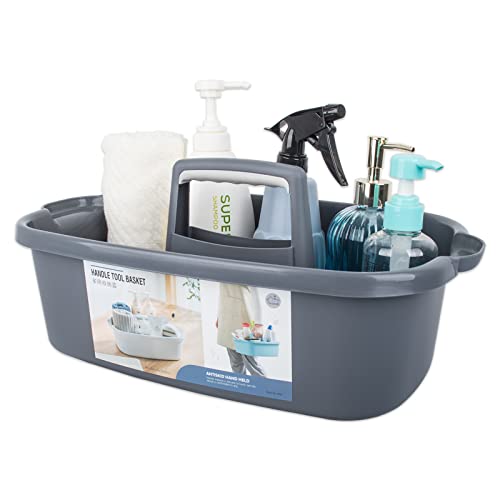
JiatuA Portable Cleaning Caddy
Lower-cost portable container for basic reset supplies or small household items that must move between rooms.
Verified ASIN: B09JBV8BFV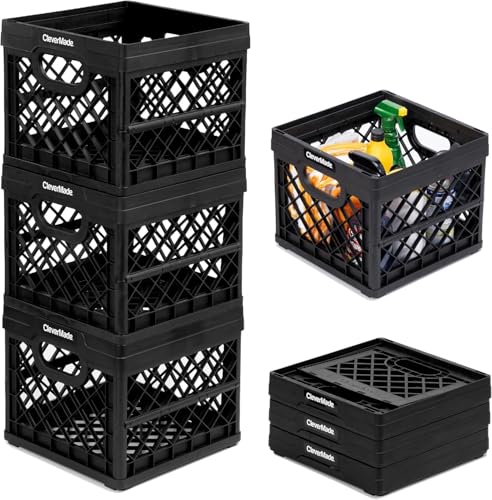
CleverMade Collapsible Milk Crates, 25L, 3-Pack
Three collapsible return containers for larger households that genuinely need separate upstairs, downstairs, or family-item destinations.
Verified ASIN: B0DF7WRG3TAffiliate disclosure: Inplanty may earn a commission from qualifying purchases made through links on this page, at no additional cost to you.
Frequently Asked Questions
What is a daily home reset?
A short routine that returns frequently used rooms and belongings to a functional starting point.
What should be included in a daily reset routine?
Include active trash, misplaced items, the entryway, kitchen, main living area, laundry in progress, bathroom surfaces, family items, and next-day preparation.
How long should a daily home reset take?
The right length depends on household size, home size, children, existing systems, and how many people participate.
Is it better to reset the house in the morning or evening?
Choose the time that consistently prepares the home for its next period of heavy use.
Should every room be reset daily?
No. Prioritize high-use zones, safety, circulation, and the rooms that affect tomorrow’s essential routines.