
How to Keep Kitchen Counters Clutter-Free Without Constant Tidying
Assign each counter a specific function, keep only genuinely daily appliances and essentials visible, protect one clear preparation surface, and correct the storage and workflow failures that cause clutter to return.
The Finished Result
The kitchen does not need to look empty. It needs to remain ready for food preparation, cooking, washing, and serving. Daily appliances stay only where they earn the space, groceries and dishes have fast processing routes, and paper or household overflow no longer occupies food-preparation surfaces.
- One preparation surface stays usable
- Every counter section has a function
- Appliances pass a daily-use test
- Temporary clutter has a deadline
- The reset restores function, not showroom styling
Quick Answer
Keep kitchen counters clutter-free by assigning each counter a specific function, allowing permanent space only for items used almost every day, and creating accessible storage for everything else. Protect at least one clear food-preparation surface, process dishes and groceries quickly, and use a short daily reset to remove items that do not belong in the kitchen.
For the complete kitchen operating system, use how to organize a small kitchen. This page focuses only on keeping work surfaces functional after storage zones exist.
Identify Why the Counters Stay Cluttered
| Counter clutter | Likely cause | First correction |
|---|---|---|
| Appliances cover the work surface | Too many receive permanent counter space | Rank by frequency and footprint |
| Groceries remain unpacked | Food storage is full or unclear | Correct pantry capacity and unloading flow |
| Dishes occupy several counters | Dishwashing or drying is failing | Contain the drying zone |
| Mail covers the island | No paper-processing location | Create a controlled non-food landing zone |
| Spices stay beside the stove | Spice storage is inaccessible | Create a usable cooking-zone system |
| Water bottles collect by the sink | No drying and storage workflow | Create one bottle zone |
| Random items appear daily | Counter is the household drop point | Add relocation and ownership rules |
| Tools stay on the counter | Drawers are full or inconvenient | Reduce and reassign drawer storage |
Recurring clutter is diagnostic
It usually reveals a capacity, access, placement, processing, or ownership problem—not simply a failure to tidy.
Determine Whether the Problem Is Capacity, Access, or Habit
- Does the item belong in the kitchen?
- Does it have a permanent home?
- Does it fit there?
- Is the storage close to where it is used?
- Is the storage easy to operate?
- Is the assigned space already full?
- Does the item need temporary processing?
- Is responsibility clear?
Assign a Function to Every Counter Area
Possible functions include food preparation, cooking support, dishwashing and drying, beverages, serving, grocery unloading, baking, a small family landing zone, or temporary appliance use.
Identify every usable section
Map what the kitchen can actually support.
Note the activity performed there
Give the counter an operational purpose.
Remove unrelated items
Do not mix paperwork, groceries, and preparation.
Protect the most valuable surface
Keep the best preparation zone available.
Move competing activities
Use another cabinet, wall zone, cart, or room only where measured.
Completion test
You should be able to begin preparing food without first clearing unrelated items.
Cooking-support zone
Keep only a limited utensil container, frequently used oil or seasoning where conditions are appropriate, potholders, and temporary cooking tools. Do not block heat, flame, steam, grease, ventilation, or controls.
Dishwashing and drying zone
Match the rack or mat to household washing volume and how quickly dishes are put away. The drying zone should be contained and temporary.
Beverage zone
A beverage zone should consolidate one routine—not display every mug, syrup, filter, and accessory.
Decide What Deserves Permanent Counter Space
An item may stay when it is used nearly every day, difficult or unsafe to move repeatedly, part of a defined work zone, easy to clean around, stored under suitable conditions, and does not eliminate necessary preparation space.
Possible daily appliances
- Primary coffee maker
- Electric kettle
- Toaster
- Daily blender
- Frequently used stand mixer
- Daily rice cooker or air fryer
- Essential accessibility equipment
Likely relocation candidates
- Monthly appliances
- Duplicate coffee equipment
- Specialty cookers
- Seasonal appliances
- Entertaining equipment
- Units kept for hypothetical use
- Appliances with missing parts
Evaluate every appliance
Check frequency, weight, footprint, ventilation, door or lid movement, outlet position, cleaning needs, and its effect on preparation space.
Rotation principle
The counter should support current routines—not every possible cooking method.
Fix Food and Grocery Clutter
Create a temporary grocery-unloading zone
- Place groceries in one defined area.
- Refrigerate cold items first.
- Put active pantry food away.
- Move backstock to its location.
- Remove packaging.
- Update the shopping list where useful.
- Clear the zone immediately.
Stop pantry food from living on the counter
Consolidate active food, separate backstock, reduce excess purchases, adjust shelf spacing, and create one official food-storage zone. See how to organize a kitchen without a pantry.
Choose one visible food category
Fruit, bread, daily coffee or tea, or a very small snack zone may remain when the category has one boundary, stays below capacity, suits the storage conditions, and does not consume essential work space.
Containers can still be clutter
Several canisters, baskets, trays, and food organizers can formalize excess instead of resolving it.
Fix Dish and Sink Clutter
Reduce the drying footprint
- Choose a smaller or foldable rack.
- Use a drying mat stored after use.
- Unload the dishwasher more consistently.
- Put air-dried dishes away promptly.
- Choose the smallest system that supports real hand-washing volume.
Prevent dirty dishes from spreading
Use the sink or dishwasher as the primary staging point, avoid several dish zones, keep one counter section clear during cleanup, and reset cookware after cooking.
Move cleaners off the counter
Cleaning products should usually live in a safe under-sink cabinet, caddy, or nearby cabinet. See how to organize under the kitchen sink.
Fix Utensil, Spice, and Cookware Clutter
Limit the utensil container
Keep only frequently used cooking tools near the range. Move specialty utensils into assigned drawers, remove duplicates, and use one functional category. See how to organize kitchen drawers.
Move most spices off the counter
A small daily group may stay when storage conditions remain suitable. The broader collection belongs in a drawer, cabinet, pull-out, shelf, or turntable. See how to organize spices.
Stop pots and pans from living on the stove
Reduce cookware, keep daily pieces accessible, use shallow stacks or vertical storage, separate lids, and move occasional pieces elsewhere. See how to organize pots and pans.
Control Non-Kitchen Clutter
Mail, school papers, keys, wallets, bags, packages, returns, tools, chargers, receipts, and children’s belongings should not remain on food-preparation surfaces.
Create a controlled landing zone
Use a small wall pocket, hooks, narrow drawer, limited paper tray, or one outgoing basket outside the preparation zone.
Capacity rule
The zone must be small, separate from food preparation, processed regularly, and limited to defined categories.
Create a paper-processing flow
Use action, file elsewhere, return, recycle or shred, school, and outgoing categories. A holder does not solve paper clutter unless each document has a next action.
Use a relocation basket carefully
It needs one location, small capacity, daily emptying, clear ownership, and no food, dishes, or important documents.
Small-Kitchen Counter Strategies
Minimum functional target
One clear preparation area, sink access, safe cooking-zone use, and unobstructed appliance doors and controls.
See how to organize a small kitchen.
Use vertical storage selectively
Wall rails, magnetic strips, shelves, hanging baskets, under-cabinet racks, and door storage can help, but consider installation, heat, grease, visual clutter, reach, cleaning, weight, and interference.
Use a rolling cart only with one function
A cart may support appliances, baking, pantry overflow, beverages, or temporary preparation. It needs a safe parking place, clear movement, no appliance interference, and a capacity limit.
Do not create clutter on wheels
A cart without a defined function becomes another miscellaneous storage surface.
Store some items outside the kitchen
Occasional appliances, bulk food, serving pieces, entertaining supplies, paper goods, specialty cookware, and extra drinkware may belong elsewhere.
Adapt the System to the Household
Families with children
Protect a lunch-preparation zone, create bottle and snack storage, keep paper away from food areas, and share reset responsibility. See how to organize a home with kids.
One person or a couple
Use fewer appliances, smaller produce and bread storage, limited dish-drying equipment, and no oversized command center.
Frequent cooks
Protect a larger preparation area, keep daily tools close, minimize decorative items, and maintain fast cookware access.
Occasional cooks
Use a smaller appliance inventory, more concealed storage, multipurpose tools, and easy-clean surfaces.
Renters
Use portable appliance storage, measured carts, internal cabinet organization, and reversible accessories within lease and load limits.
Create a Five- to Ten-Minute Counter Reset
- Put food away.
- Move dirty dishes to the sink or dishwasher.
- Return clean dishes.
- Store appliances that do not stay out.
- Return utensils and cookware.
- Process mail and papers.
- Relocate non-kitchen items.
- Wipe the main work surfaces.
- Prepare essential items for the next day.
- Confirm the main preparation area is clear.
Reset completion
The main preparation surface is usable, the sink zone works, the cooking zone is safe, food is stored, dishes are contained, and non-kitchen items have moved.
For broader routines, use the daily home reset routine and weekly home reset checklist.
Add a Weekly Counter Review
- Remove appliances not used that week.
- Clear paper accumulation.
- Return pantry overflow.
- Review produce and bread storage.
- Reset beverage supplies.
- Clean beneath permanent appliances.
- Review dish-drying equipment.
- Check whether cabinets and drawers cause overflow.
Weekly rule
If the same item returns every week, correct its storage rather than repeatedly moving it.
Fix Counters That Become Cluttered Again
- Identify where the recurring item lands.
- Confirm where it should live.
- Check whether it fits.
- Reduce return steps.
- Reduce inventory.
- Clarify responsibility.
- Add a deadline if temporary.
- Test the revised system.
How to Keep Kitchen Counters Clutter-Free Step by Step
Remove everything
See the real counter capacity.
Group items by type
Appliances, food, dishes, cooking, beverages, paper, and household clutter.
Assign every counter section a purpose
Make the surfaces operational.
Protect one preparation surface
Set the minimum functional target.
Rank appliances
Use frequency, weight, footprint, movement, and ventilation.
Return only justified daily appliances
Do not let daily-use claims consume every surface.
Move food into official storage
Correct pantry and backstock problems.
Reduce the dish-drying footprint
Make the zone temporary.
Move utensils, spices, and cookware
Use accessible drawers and cabinets.
Create a small non-food landing zone only if needed
Keep it away from preparation.
Relocate items belonging elsewhere
Stop whole-home overflow.
Test normal cooking and cleanup
Observe what returns.
Add a short daily reset
Restore function.
Review recurring clutter weekly
Find the actual storage failure.
Correct the system
Do not merely add another counter organizer.
Kitchen Counter Organization Mistakes
Trying to make every counter empty
The kitchen becomes visually minimal but inconvenient.
Letting every daily appliance stay
Preparation space disappears.
Using decorative trays for mixed clutter
The clutter becomes contained but unresolved.
Leaving groceries out
The food-storage system remains broken.
Letting the dish rack expand
Drying consumes more space than necessary.
Keeping all utensils beside the stove
The container becomes overcrowded.
Leaving cookware on the stove
Cabinet access remains the actual problem.
Using the island as a paper command center
Administration conflicts with food preparation.
Moving clutter onto every wall
The kitchen becomes visually crowded.
Buying a cart without a parking place
It blocks movement and collects mixed items.
Ignoring cabinets and drawers
The counter becomes replacement storage.
Expecting one person to reset everything
The system fails when that person is unavailable.
What Should Stay on the Kitchen Counter?
| Item | Keep it out when | Store it elsewhere when |
|---|---|---|
| Coffee maker | Used nearly daily in a defined zone | Used occasionally or crowds preparation |
| Toaster | Used frequently and easy to clean around | Used infrequently |
| Stand mixer | Used often or difficult to move safely | Used occasionally and storage is accessible |
| Utensil container | Holds daily tools only | Overfilled with specialty tools |
| Spices | Small daily group in suitable conditions | Full collection creates clutter |
| Fruit | Consumed regularly and contained | Excess occupies work space |
| Bread | One contained active supply | Packages spread across counters |
| Dish rack | Matches real washing volume | Oversized or always full |
| Mail holder | Small, separate, and processed daily | Becomes permanent paper storage |
| Decor | Does not reduce function | Occupies prime preparation space |
Final recommendation
Keep only genuinely daily appliances and a few defined functional items on the counter, protect one clear preparation surface, and correct the storage systems that cause food, dishes, cookware, and household items to return.
Verified Product Examples
Use only the product that solves a documented recurring clutter source. Do not install every category as one setup.

Nifty Medium Appliance Rolling Tray
Lets one justified daily appliance slide forward for use and back under upper cabinets without repeated lifting. Check appliance footprint, tray size, cabinet clearance, cord length, outlet position, ventilation, and lid or door movement.
Verified ASIN: B093MMZP5C
simplehuman Compact Steel Frame Dishrack
Contains hand-washed dishes within a compact footprint. Best where drying is the recurring clutter source. Verify counter footprint, sink position, spout direction, upper-cabinet clearance, and normal washing volume.
Verified ASIN: B0CVNHHVD1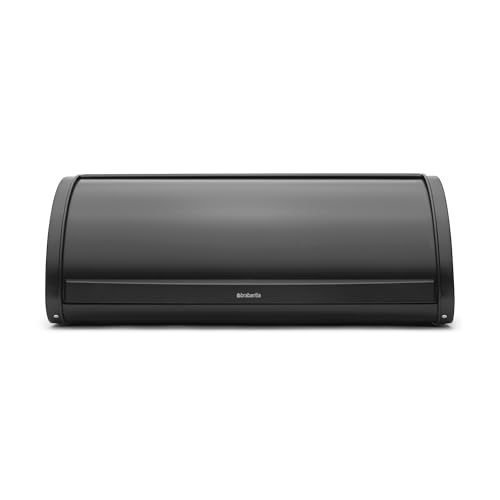
Brabantia Large Roll-Top Bread Box
Consolidates bread and bakery packaging into one defined category. Use only when bread is frequent enough to justify the footprint. Check counter depth, lid operation, and preparation-space impact.
Verified ASIN: B0DCBHN7CY
AULEDIO 2-Tier Countertop Produce Basket
Creates one vertical capacity boundary for suitable counter-stored produce. Choose this or a bread box based on the recurring category—do not add both automatically.
Verified ASIN: B08QJ1CNN5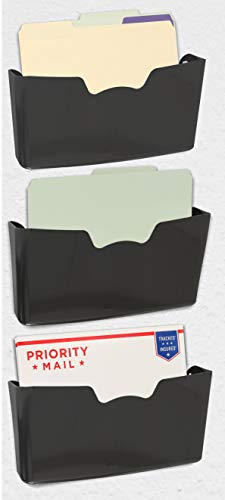
Simple Houseware Wall-Mount File Holder
Moves mail, school papers, and outgoing documents off preparation surfaces. It works only with a defined processing routine and a safe wall location away from food preparation and heat.
Verified ASIN: B08177HY7D
Amazon Basics 3-Tier Rolling Utility Cart
Creates a movable appliance, beverage, baking, or controlled overflow station. Use only with one function and a safe parking place. Check footprint, projections, wheels, doorway width, and nearby appliance movement.
Verified ASIN: B07V126F2D
Nifty Small Appliance Rolling Tray
Compact sliding base for one smaller daily appliance. Confirm the appliance remains stable and retains safe ventilation, cord movement, and operating clearance.
Verified ASIN: B093MJCQG7
simplehuman Compact Steel Frame Dishrack — Brushed Stainless Steel
Premium contained drying zone for kitchens where hand-washing volume justifies a permanent rack. It must still be emptied regularly so drying remains temporary.
Verified ASIN: B08XMLM5SKRecommended product logic
Use one rolling tray for one justified daily appliance, a compact rack only when dish drying is the recurring source, either bread or produce containment when one visible food category earns the space, a paper holder only with a workflow, and a cart only with one measured function.
Affiliate disclosure: Inplanty may earn a commission from qualifying purchases made through links on this page, at no additional cost to you.
Frequently Asked Questions
What is the best way to keep kitchen counters clutter-free?
Assign every counter a function, keep only justified daily items visible, protect one preparation surface, and correct the storage failures that make clutter return.
What should stay on a kitchen counter?
Only genuinely daily appliances and a few functional items that belong to defined zones and do not eliminate essential work space.
What should not be stored on counters?
Rarely used appliances, bulk food, long-term grocery overflow, unrelated paperwork, duplicate containers, and items that belong in another room.
How do you declutter a small kitchen counter?
Protect one preparation area first, rank appliances, move pantry food and dishes into official zones, and limit visible categories.
Which appliances should stay out?
Only appliances used nearly every day when their footprint, movement, ventilation, cleaning, and work-surface impact remain acceptable.
Where should occasional appliances go?
Use a lower cabinet, deep drawer, pantry, dining storage, utility storage, or measured cart according to size and frequency.
How do you stop groceries piling up?
Create a temporary unloading zone and correct the pantry, backstock, and category capacity that prevents immediate storage.
How do you reduce dish-rack clutter?
Choose the smallest rack that supports real hand-washing volume and put dry dishes away promptly.
How do you stop mail collecting in the kitchen?
Create a small non-food landing zone with clear action categories and daily processing.
Should spices stay on the counter?
Only a small daily group may remain when the location is suitable and the full collection does not occupy work space.
How do you keep counters clear with children?
Keep school papers and belongings away from preparation areas, create clear zones, and share reset responsibilities.
Can a rolling cart reduce counter clutter?
Yes, but only with one defined function, a permanent safe parking location, and no interference with doors, drawers, appliances, or circulation.
How often should counters be reset?
A brief daily reset restores function, while a weekly review corrects recurring storage and workflow problems.
Why does clutter return after cleaning?
Usually because storage is full, inaccessible, unclear, too far away, or missing temporary-item deadlines and shared ownership.