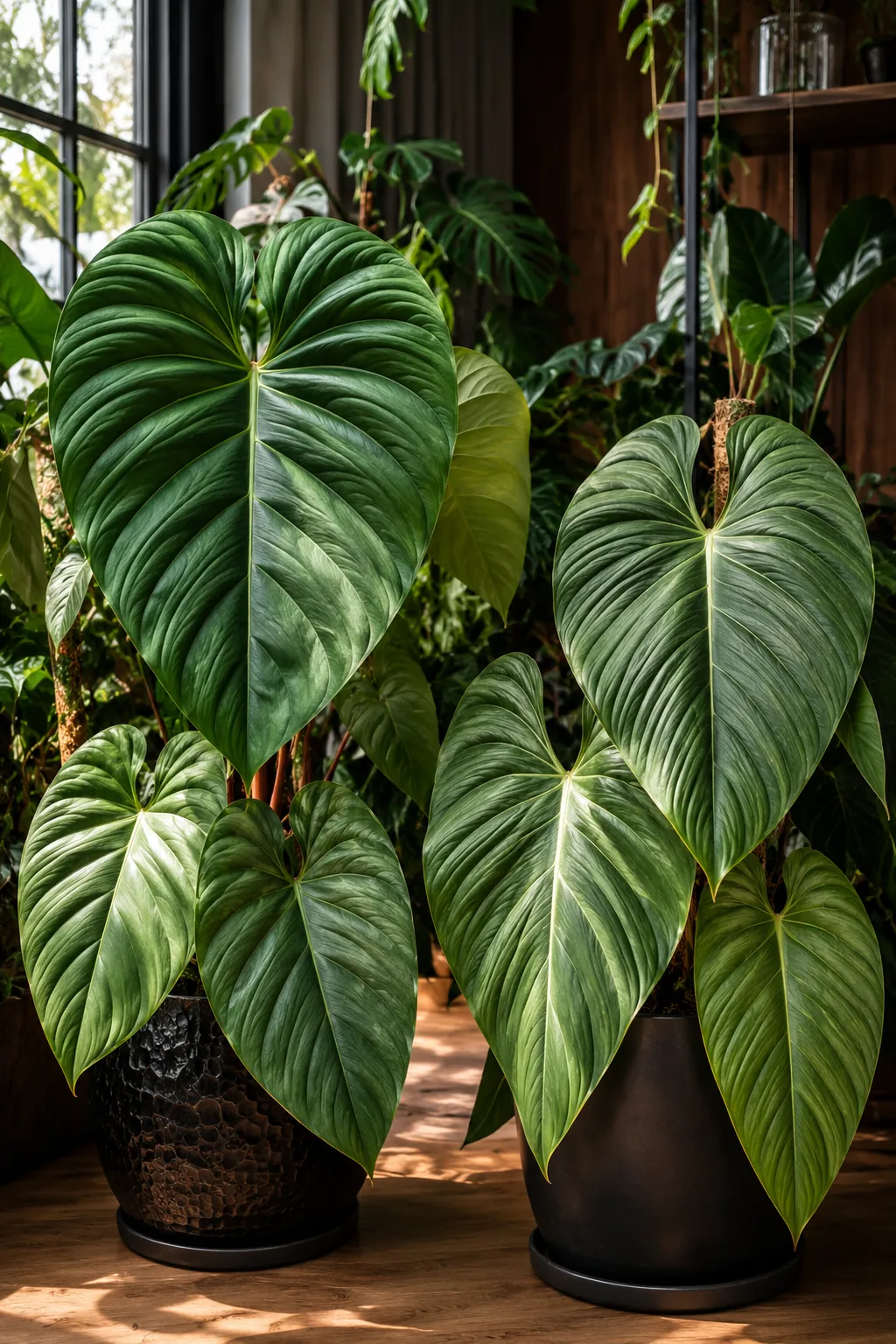
Quick Verdict
Choose McDowell if you want the broader, more dramatic statement plant. Choose Pastazanum if you specifically want a true species with a more elongated leaf shape and classic collector appeal. Their basic care is similar, so this is primarily a decision about appearance, provenance, and the kind of collection you want to build. For more collector comparisons, rare varieties, and care guides, explore our Philodendron & Rare Aroids guide.
On This Page
McDowell vs Pastazanum at a glance
When you want maximum visual impact
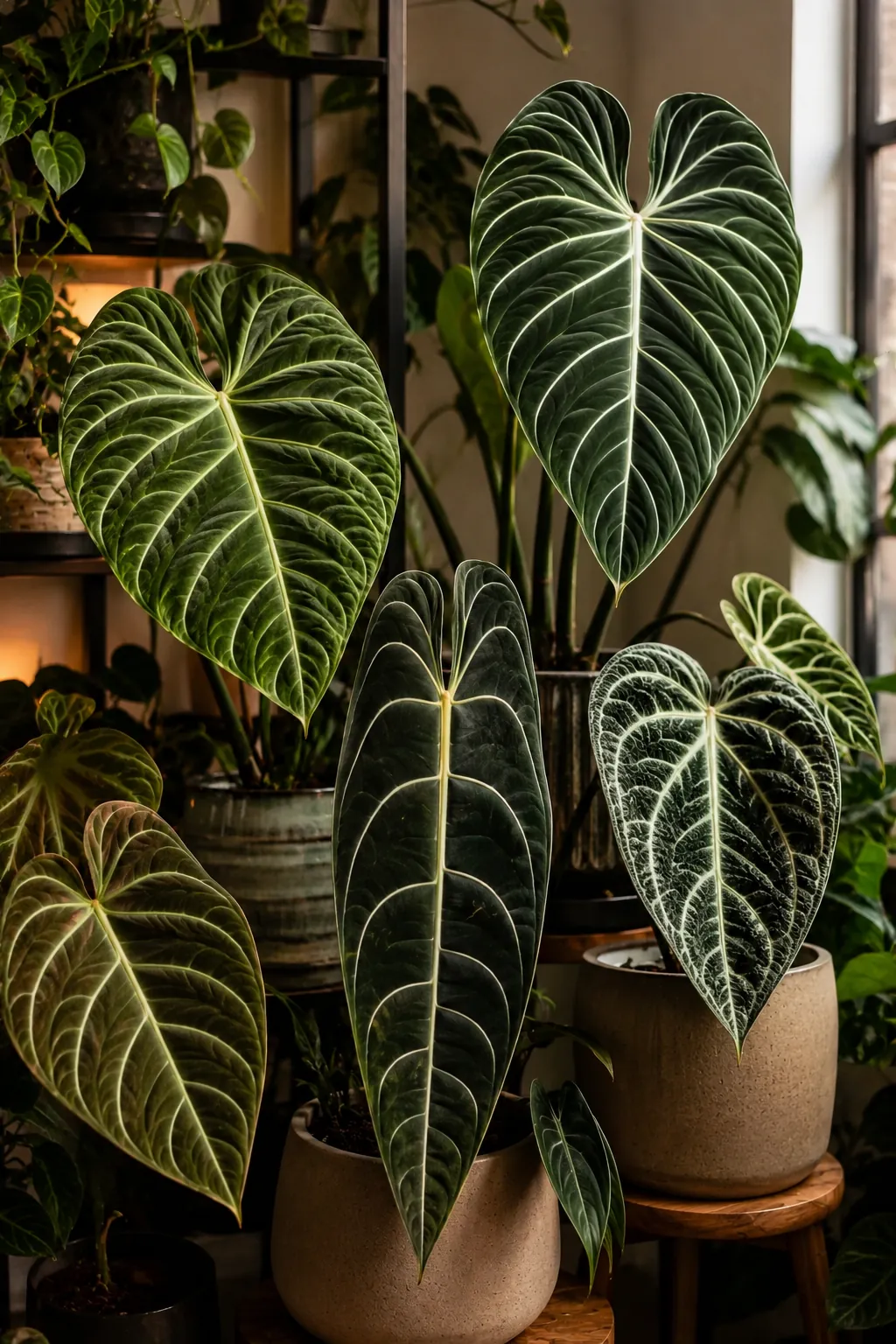
Philodendron McDowell is a hybrid known for broad, full foliage and an oversized mature look. It is the stronger pick when the goal is a lush indoor-jungle centerpiece rather than a species-focused collection. Because Gloriosum is part of the McDowell story, our Philodendron Glorious vs Gloriosum comparison is a useful next identification guide.
Wider foliage
The leaves tend to read broader and rounder, which makes the plant look especially substantial.
Statement value
McDowell is one of those plants that can visually anchor an entire plant corner.
Hybrid appeal
Choose it because you like the foliage, not because you want a true-species plant.
When species identity matters as much as size
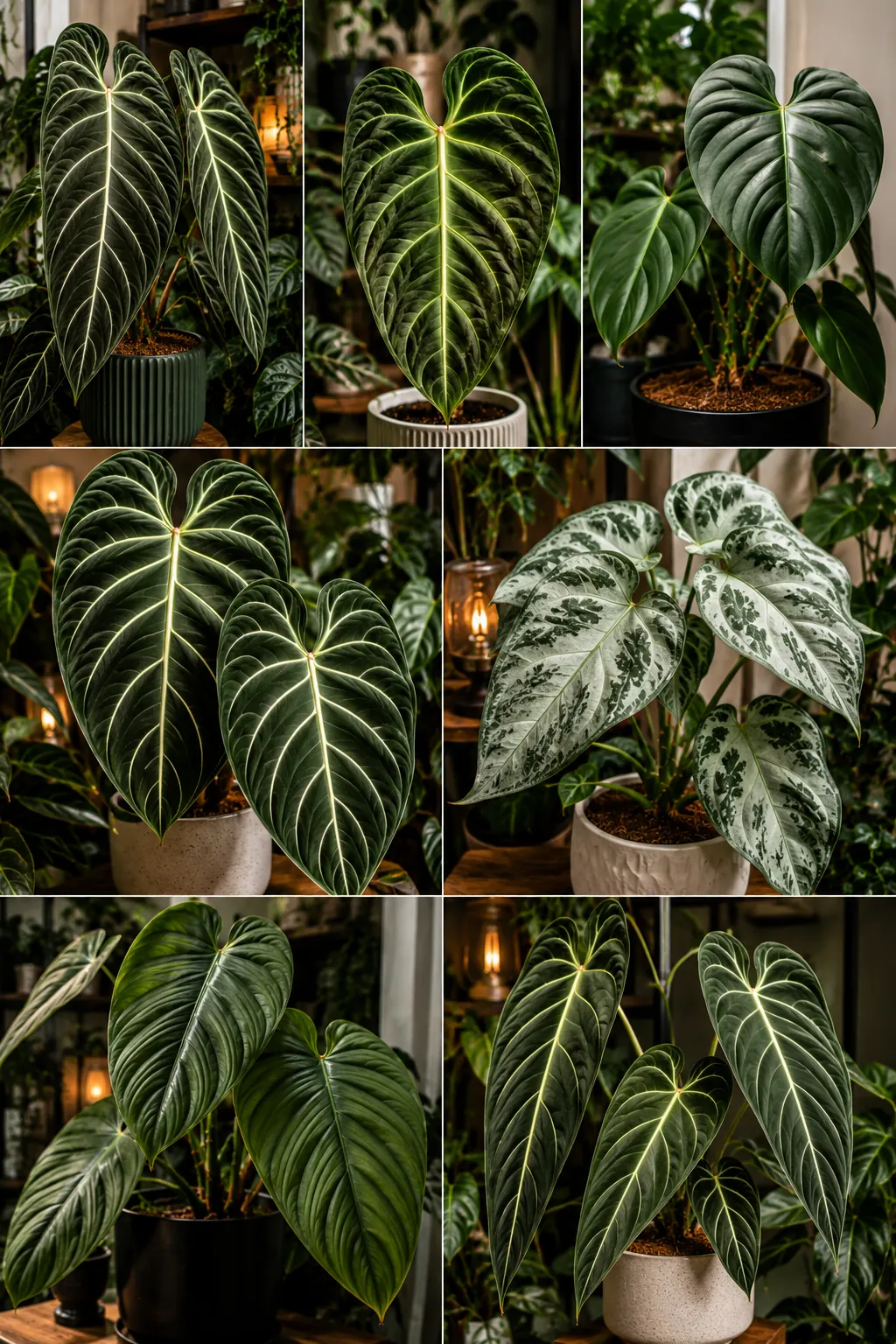
Philodendron Pastazanum is a true species with a more elongated heart-shaped leaf and strong botanical collector appeal. It still becomes a large and impressive crawler, but the overall effect is often more elegant than massive. If the crawling growth habit is what interests you most, compare it with Philodendron Mamei vs Plowmanii, another comparison where horizontal growth is central to ownership.
True species
Best for collectors who care about natural species rather than hybrids.
More elongated leaf
The proportions help distinguish it from McDowell at maturity.
Classic crawler
Like McDowell, it needs horizontal room for the stem to move across the substrate.
How to tell McDowell and Pastazanum apart
Start with the leaf shape
McDowell usually looks broader and more rounded. Pastazanum tends to look more elongated through the heart shape.
Check the sinus
McDowell often shows a broader, more open sinus, while Pastazanum tends to look narrower and deeper.
Look at the petiole
McDowell generally looks thicker and more robust. Pastazanum petioles can appear flatter with more defined edges.
Use mature growth when possible
Juvenile leaves are easier to confuse. Mature foliage gives you stronger identification clues.
Their care is more similar than different
For broader care routes beyond collector Philodendrons, use the Indoor Plants hub to browse Monstera, Alocasia, beginner plants, and general indoor-plant guidance.
Light
Give both bright indirect light. Strong usable light supports larger foliage and denser growth.
Watering
Let the upper substrate begin to dry before watering again. Avoid keeping the root zone saturated.
Soil
Use an airy, well-draining aroid-style mix that still retains some moisture.
Humidity
Both appreciate stable humidity, but measure the room before adding equipment.
Both are crawlers, so pot shape matters
Do not treat either plant like a vertical climber
McDowell and Pastazanum move horizontally as the stem advances. A longer rectangular or oval planter can make more sense than a narrow deep pot because it gives the crawler somewhere to go.
This is a more important ownership detail than adding a moss pole. If you are planning the plant as part of a room rather than as a standalone specimen, our small indoor plant corner ideas show how to give large foliage visual space without overcrowding a small room.
Buy for the growing problem, not the collector label
McDowell and Pastazanum need nearly the same core environment. Start with the actual bottleneck in your room: insufficient light, unknown humidity, or a root zone that stays wet too long.
Affiliate disclosure: As an Amazon Associate, Inplanty may earn from qualifying purchases.
Weak natural light?
Start with supplemental light. This is the most useful upgrade when growth is weak or the plant sits too far from a usable window.
Guessing about humidity?
Measure the plant zone first. A hygrometer tells you whether dry air is actually a problem before you add humidity equipment.
Repotting a crawler?
Prioritize drainage and horizontal space. Use an airy aroid mix when repotting is justified, but remember that pot shape matters because the stem needs somewhere to crawl.

SANSI Clip-On Grow Light
Buy this if: your McDowell or Pastazanum is growing where natural light is genuinely insufficient.
Why it earns its place: improving usable light addresses a fundamental growth limitation and can support stronger foliage development.
Skip it if: the plant already receives strong bright indirect light. A very large mature crawler may also need broader coverage than a small clip-on lamp provides.
Check the SANSI Grow Light
Govee H5075 Hygrometer
Buy this if: heating, air conditioning, or seasonal changes make you unsure whether the plant zone is actually dry.
Why it earns its place: it gives you a real temperature and humidity baseline before you spend money trying to change room conditions.
Skip it if: you already monitor the growing area reliably and know conditions are stable.
Check the Govee Hygrometer
Molly's Aroid Potting Mix
Buy this if: you are already repotting and the existing substrate stays wet or compacted for too long.
Why it earns its place: a chunkier mix supports drainage and root-zone air space for aroids.
Skip it if: the plant is healthy in its current substrate. Amazon currently shows limited availability, so treat this as an optional repotting choice rather than an essential purchase.
Check Molly's Aroid MixWhat should you buy first?
Low-light room → grow light. Unknown room conditions → hygrometer. Repotting because the mix stays wet → aroid mix. If none of those problems exists, keep your money and prioritize a planter with enough horizontal room for the crawler.
Choose the setup that matches your plant and room
Large McDowell Display
Use: broad crawling planter + bright indirect light + room for wide leaves.
Why it works: gives the hybrid enough horizontal and visual space to become the focal point.
Species Collector Setup
Use: Pastazanum + stable light + measured humidity + room for crawling growth.
Why it works: keeps the emphasis on species form rather than accessories.
Dim-Room Setup
Use: either plant + supplemental light when natural light is clearly insufficient.
Why it works: fixes the environmental bottleneck instead of trying to compensate with fertilizer.
What makes this comparison confusing
Calling them climbers
Both are crawling Philodendrons. Vertical support is not the core setup requirement.
Identifying from one juvenile leaf
Mature leaves and petioles give stronger clues than young foliage.
Choosing by rarity only
Pastazanum being a true species does not automatically make it the better plant for your room.
Ignoring mature width
McDowell especially needs room to show off its broad foliage.
Using a narrow pot
A crawler needs horizontal space for the stem to advance.
Over-shopping the setup
Light, drainage, and the right pot shape matter more than a long accessory list.
Which should you buy?
- Choose McDowell for broader leaves and stronger statement-plant impact.
- Choose Pastazanum if true-species status matters to your collection.
- Expect crawling growth from both.
- Plan horizontal pot space before the plant becomes large.
- Use mature leaf shape, sinus, and petioles as identification clues.
- Do not expect major care differences between them.
Frequently Asked Questions
What is the main difference between Philodendron McDowell and Pastazanum?
McDowell is a hybrid with broader, fuller foliage and very strong visual impact. Pastazanum is a true species with a more elongated heart-shaped leaf and stronger botanical collector appeal.
Is Philodendron McDowell a climbing plant?
No. McDowell is a crawling Philodendron. Its stem travels horizontally across the surface of the substrate rather than climbing vertically.
Is Philodendron Pastazanum a crawler too?
Yes. Pastazanum is also a crawling Philodendron, so both plants need horizontal room rather than a narrow vertical pot.
Which one gets bigger leaves?
McDowell is generally chosen for broader, more dramatic mature foliage. Pastazanum can still develop large leaves, but its proportions are typically more elongated.
Which one is better for collectors?
Pastazanum has strong appeal for species collectors because it is a true species. McDowell is often preferred by growers who want maximum visual impact from a hybrid.
Do McDowell and Pastazanum need different care?
Their core care is very similar: bright indirect light, an airy root zone, steady warmth, careful watering, and enough horizontal pot space for the crawling stem.
Move from choosing to long-term ownership
Once you know which plant you prefer, focus on the crawling growth habit, light, root-zone health, and space needed for mature foliage rather than treating it like a generic climbing Philodendron.